
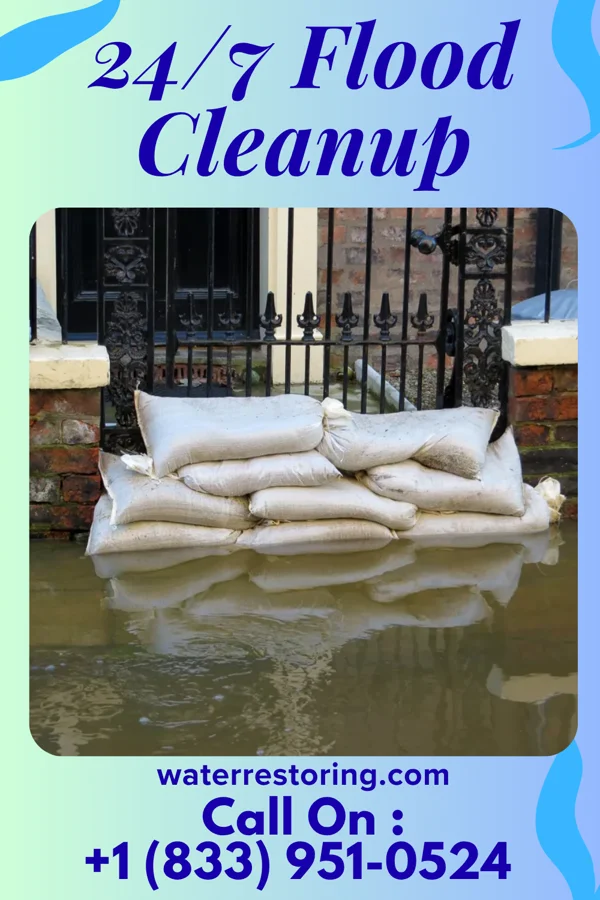
Chase Crossing 24/7 Flood Cleanup: What Owners Should Know
Residential or commercial, water damage emergencies in Chase Crossing keep coming back to the same drivers. heavy rainfall and coastal storm systems overwhelming storm drains sits at the top of the list. A close second is aging stormwater infrastructure overwhelmed during prolonged rain events.
Chase Crossing experiences frequent flooding due to its proximity to the Chesapeake Bay and the region's humid subtropical to humid continental climate, which brings heavy precipitation and storm surges. The combination of flat terrain and frequent heavy rainfall increases the risk of water accumulation in low-lying areas.
Water damage in Chase Crossing follows a few local patterns. heavy rainfall and coastal storm systems overwhelming storm drains accounts for the bulk of our calls. Chase Crossing experiences frequent flooding due to its proximity to the Chesapeake Bay and the region's humid subtropical to humid continental climate, which brings heavy precipitation and storm surges. The combination of flat terrain and frequent heavy rainfall increases the risk of water accumulation in low-lying areas. Mold can begin to grow within 24 to 48 hours after flooding in Chase Crossing homes, especially in damp basements and crawl spaces. Prompt water extraction and drying are critical to prevent long-term structural damage and health risks.
For public guidance on the health effects of mold after prolonged water exposure, see the EPA mold and health page.